


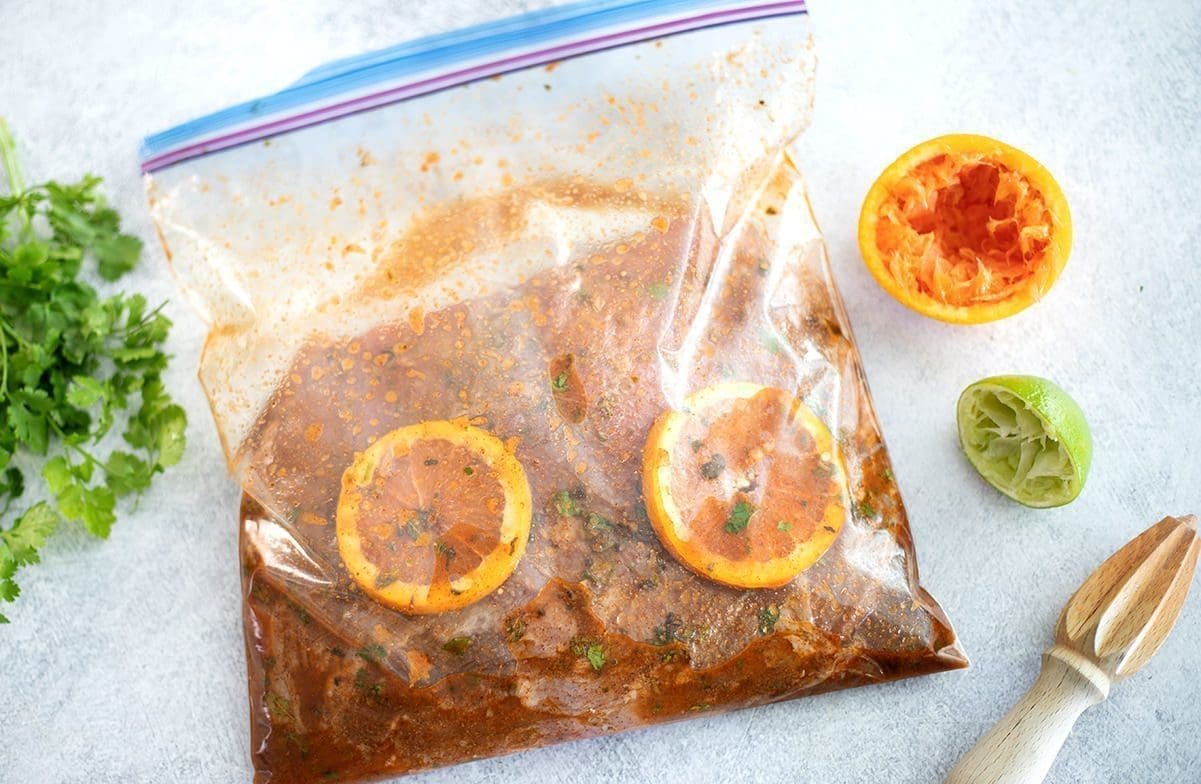
Learn how to tenderize beef using proven methods like marinades, slow cooking, and baking soda to make tough cuts tender and juicy.
Tough beef can ruin a great meal, but luckily, it’s easy to fix. With the right technique, even the toughest cuts of meat can be tender, juicy, and flavorful.
Over the years, I’ve tried just about every method for tenderizing beef. From simple techniques like baking soda to long, slow cooking techniques, we’ve looked at what really works and what doesn’t. Some methods make a noticeable difference, while others fall short. This guide focuses only on methods that provide consistent and reliable results.
Unlike naturally soft cuts, hard cuts require special preparation to get the right texture. In this guide, you’ll learn exactly how to tenderize beef using a proven method that works for steaks, roasts, and everything in between.
Comparing cuts can help you understand which cuts of beef are the most tender, and which cuts would benefit most from tenderization.
What makes beef tough?
Beef is usually tough because:
Connective tissue (collagen) Low fat content Muscle fibers in areas of frequent use
Cuts like chucks, rounds, and flanks are harder in nature, but with the right approach, they can be incredibly soft. If you want to know how to tenderize beef every time, these techniques are essential.
These tougher cuts are often more affordable and are popular when using budget-friendly cuts of beef.
Understanding why beef becomes tough is the first step in choosing the appropriate tenderization method.
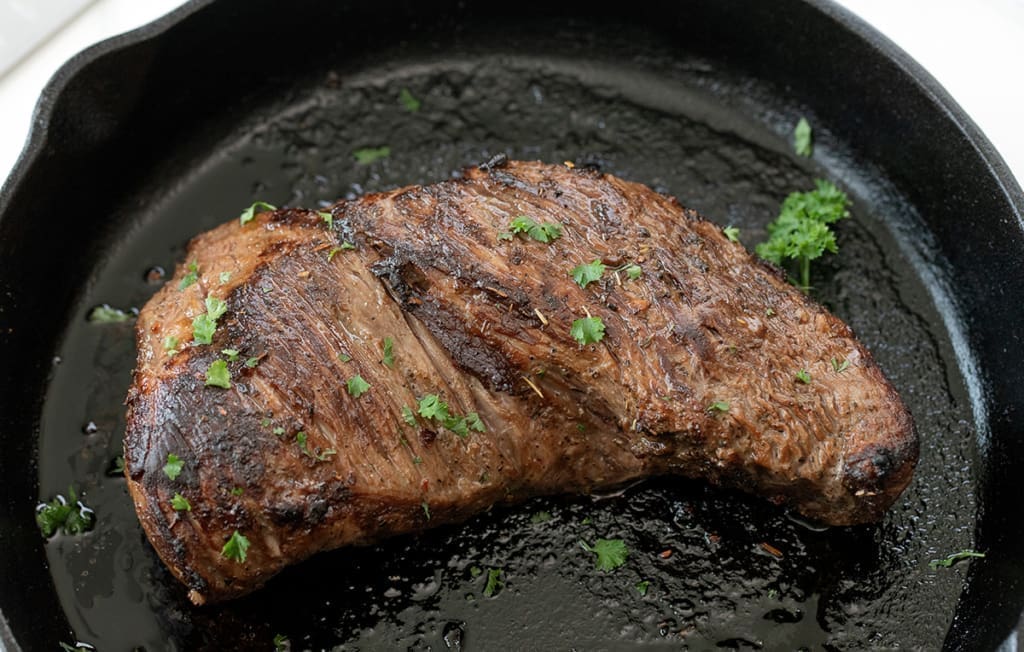
Which cuts of beef need to be tenderized?
Not all cuts of beef need to be tenderized. Premium cuts like filet mignon and ribeye are naturally tender, but tougher cuts benefit most from these techniques.
Shoulder Brisket Round Tri Tip Flank Steak Skirt Top Sirloin
If you’re not sure how these cuts compare, here’s a breakdown of the different cuts of beef and where they come from.
Quick reference: How to tenderize beef
8 ways to tenderize beef
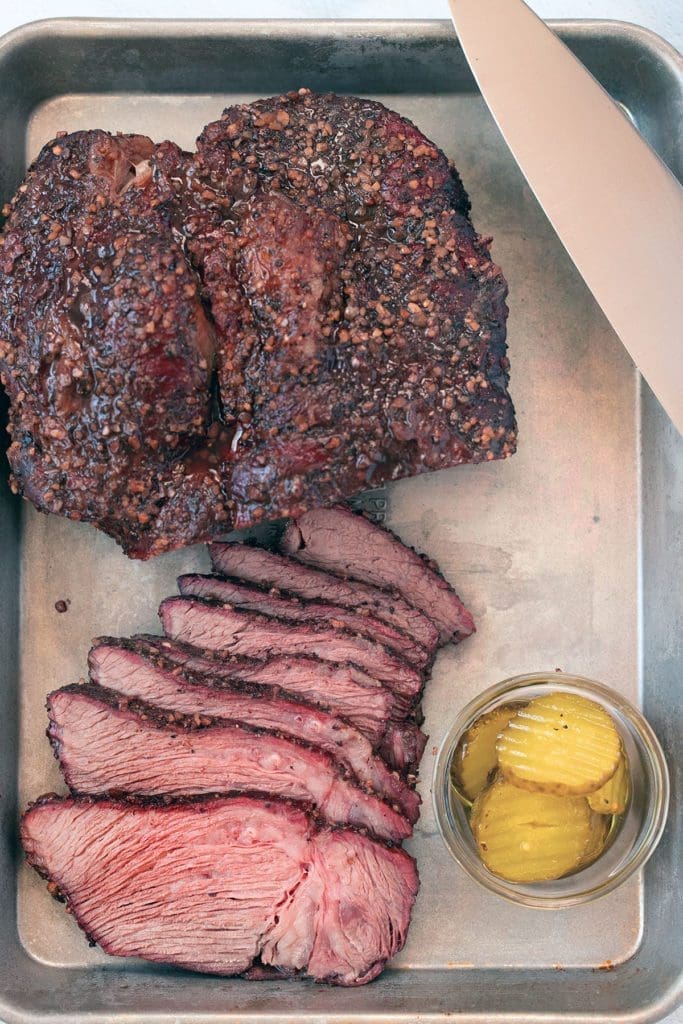
1. Slow cooking (best method overall)
Best used for: shoulder loin, brisket, and shank.
Best for: This method is best for dishes like shredded beef or pot roast that you want to be fork-tender.
Cooking slowly at low temperatures breaks down the collagen into gelatin, making the meat more tender. For best results, start with one of the best cuts of beef for slow cooking and try recipes like this smoked chuck roast for a rich, crumbly finish.
Cook at low temperature (225-300°F) Use a slow cooker, Dutch oven, or smoker Cook for several hours until fork-tender
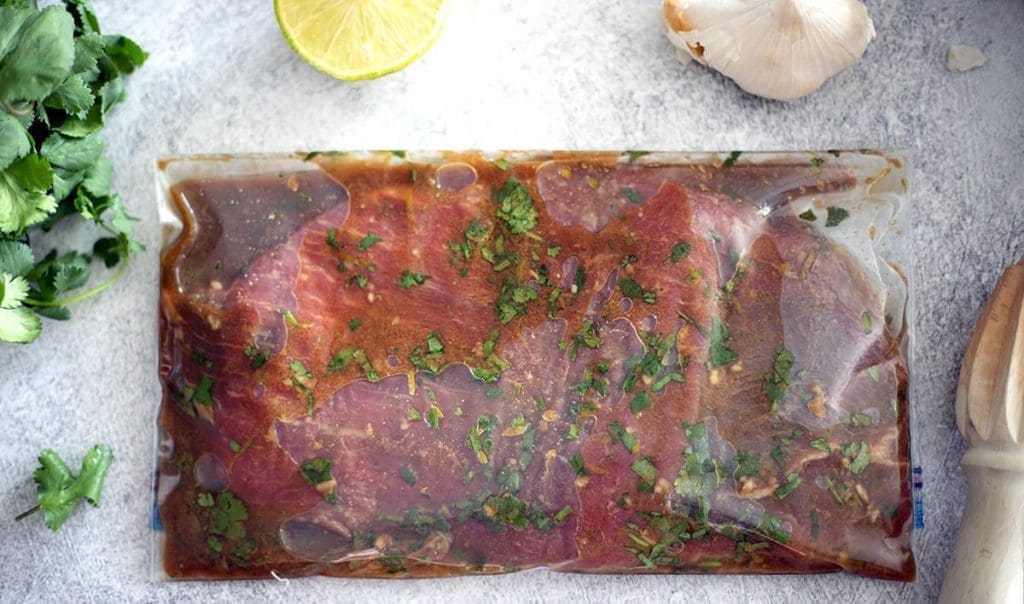
2. Marinade (adds flavor and tenderness)
Best cuts: flank, skirt steak, sirloin, tri-tip
Best for: Thin cuts that are ready to cook. Think of my famous San Diego Carne Asada Marinade or Marinated Tri Tip.
Marinade helps break down muscle fibers and adds flavor.
Use an acid (vinegar, citrus, or yogurt) Add oil and seasonings Marinate for up to 24 hours
3. Mechanical softening (pounding)
Best for: Round or Flank Steaks
Meat becomes tender by physically breaking down the fibers.
Use a meat mallet to pound evenly to avoid tearing.
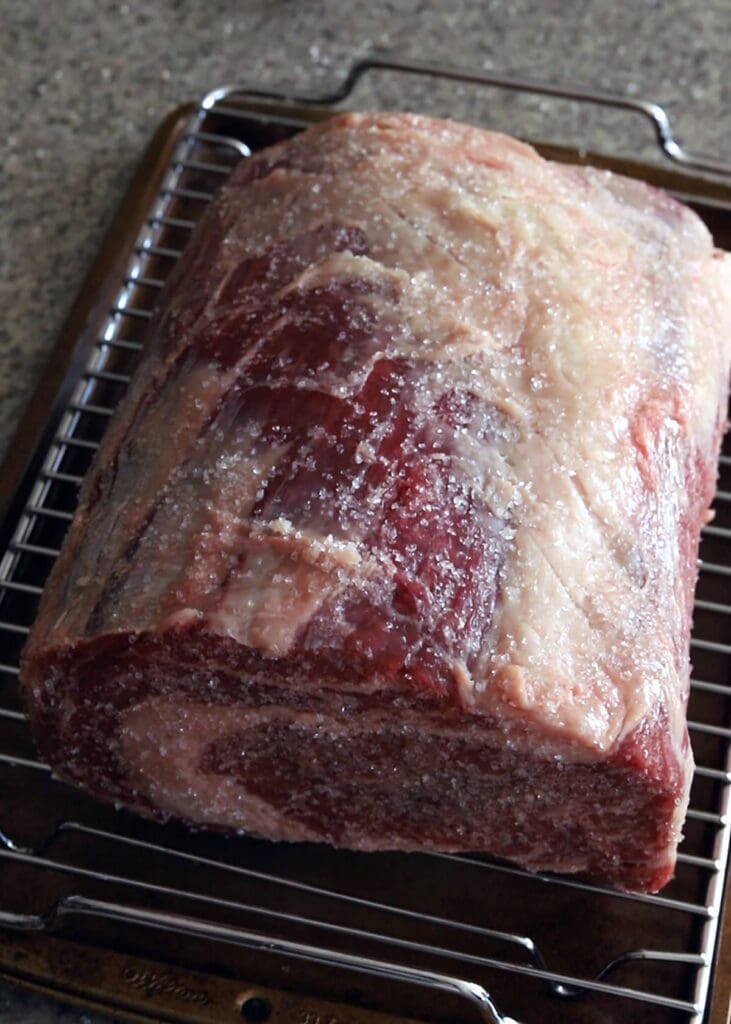
4. Salt (Dry Brine)
Best dish: Steaks and roasts
Best when: When you have plenty of time to prepare ahead of time, such as when making the perfect prime rib.
Salt helps break down proteins and retain water.
Add some salt and let it sit in the refrigerator overnight.
5. Slice along the grain
Best served with: franks, skirt steak, brisket, and London broil.
The meat itself will not change, but it will become easier to chew. This is especially important because something like London broil can be tough if cut incorrectly. For best results, always slice thinly along the grain, like in this Smoked London Broil.
Identify muscle fiber direction Slice perpendicular to muscle fibers
6. Using baking soda (easy method)
Best used for: thinly slicing, stir-frying
This method is also called “velvet processing” and prevents the proteins from tightening.
Lightly coat the meat and let stand for 15-20 minutes Wash before cooking
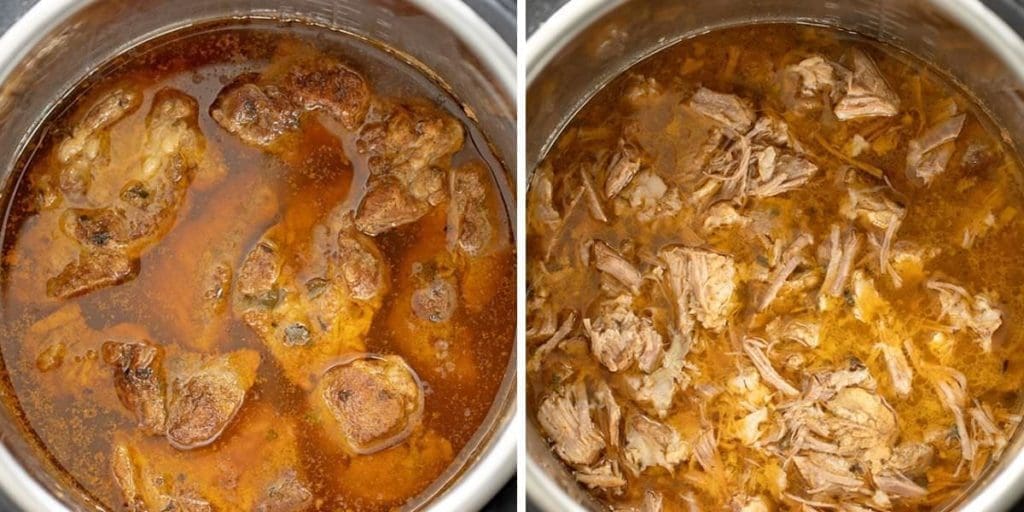
7. Pressure cooking (rapidly softening)
Application: Difficult-to-cut materials such as chucks and shanks
Pressure cooking accelerates the breakdown of collagen.
Cook for 35-60 minutes depending on cut
8. Use of meat tenderizer (enzyme powder)
Best for: Difficult or inexpensive cuts
Enzyme-based emollients break down proteins and soften muscle fibers.
Sprinkle evenly over the meat Let stand for 15-30 minutes Cook to taste Don’t use too much to avoid a mushy texture Best for thin cuts Adjust the salt if your tenderizer contains salt
Best method for each cut
Chuck: Slow cooked Brisket: Slow cooked or smoked Flank: Marinated and sliced Tri-tip: Marinated and cooked over medium heat Top sirloin: Marinated or mechanically tenderized London Broil: Marinated and sliced against the grain Round: Pounded or slow cooked Skirt: Marinated and cooked over high heat
Common mistakes to avoid
Skipping rest periods after cooking Not enough cooking time Using high heat for tough cuts Forgetting to slice against the grain
FAQ
Yes, soda helps tenderize meat due to its acidity, but its effect is mild compared to other methods. Use for short marinades (1-2 hours) and avoid over-marinating.
Yes, pineapple contains enzymes that break down proteins. Use fresh juices and keep marinating time to no more than 60 minutes.
The order is baking soda, meat tenderizer, and searing.
Slow cooking is the most effective method as it takes time to break down the collagen.
How to get tender beef every time
To tenderize beef, it’s important to use the right cuts in the right way. Whether marinating, pounding, or slow cooking, each technique helps break down tough fibers and improve texture.
With the right approach, even tough cuts can rival the texture of the most tender cuts of beef, giving you better results and more flexibility in cooking.
