


Here’s what this means for shoppers.
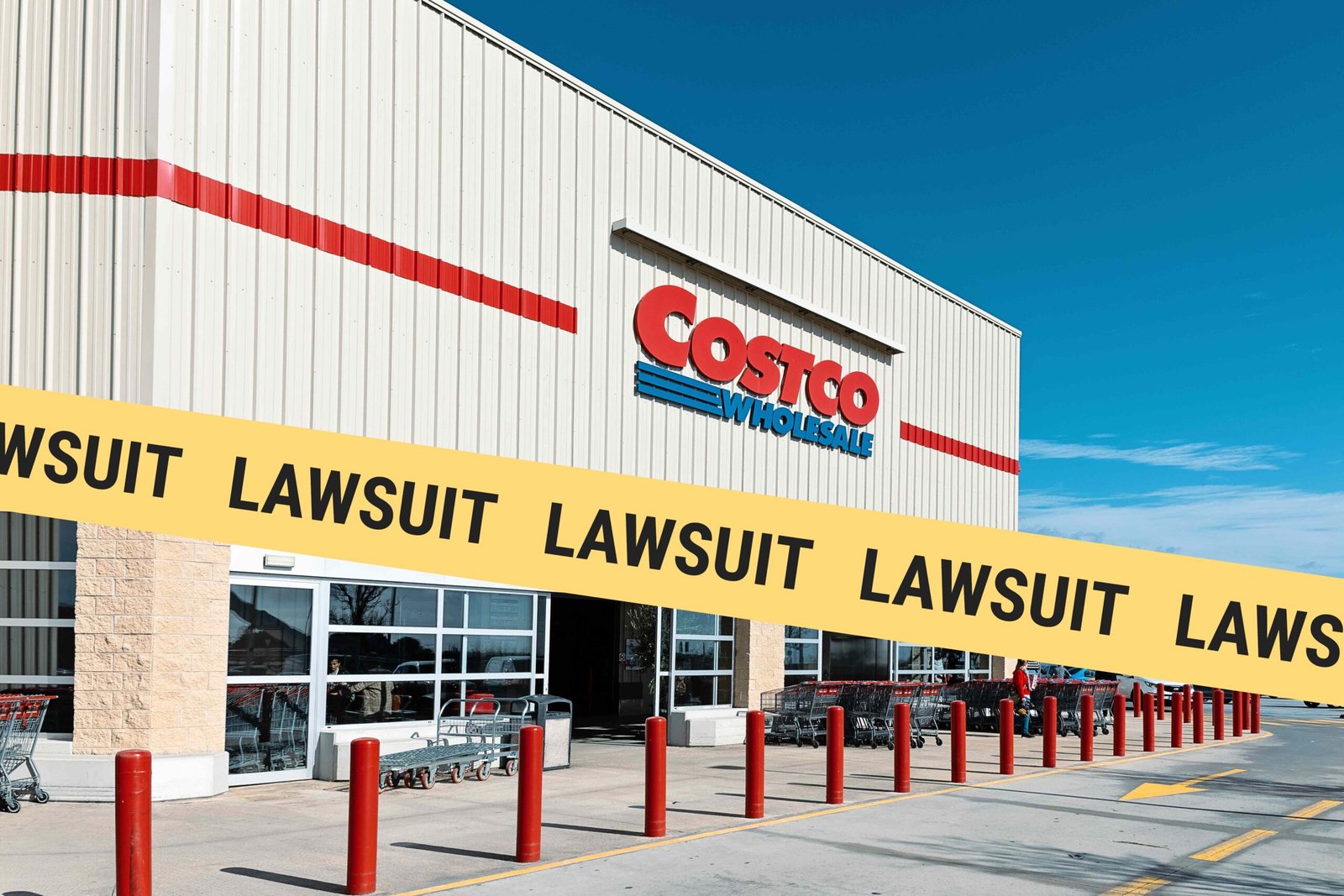
A class action lawsuit filed in federal court alleges that Costco illegally raised prices after President Donald Trump imposed tariffs on foreign imports.
The lawsuit, filed in March in Illinois federal court, alleges warehouse retailers generated “windfall profits” during the tariffs while passing increased costs on to consumers. The lawsuit was filed in response to the U.S. Supreme Court’s Feb. 20 ruling canceling the tariffs, potentially paving the way for companies that import goods from other countries to seek refunds for the duties they paid, but not consumers.
In response to the Supreme Court’s ruling, many companies, including Costco, are suing for refunds. But a new class action lawsuit alleges that the refunds Costco receives should go directly to consumers because they are the ones who paid the higher price.
Here’s everything you need to know about the class action lawsuit and how Costco responded to the allegations.

Why is Costco being sued?
Lawyers for Matthew Stockoff, the lead plaintiff in the case, said in a filing that because Costco chose to “pass on” the cost of the tariffs to its members, as a result of the tariffs, Stockoff purchased goods, including food and other household items, that were sold to consumers at “inflated” prices. They also accuse Costco of essentially double-bottoming, charging consumers higher prices while asking the federal government to refund the taxes it paid.
The lawsuit also alleges that Stockoff and other Costco members paid “unreasonably high” prices when purchasing from the retailer products imported from other countries, particularly China, which faces the highest tariffs. According to the complaint, Costco imports about one-third of the products it sells from other countries, with 8% of that coming from China.
He also alleges that Costco engaged in “deceptive trade practices” by presenting itself to consumers as a value-oriented retailer while significantly increasing prices.
Stockoff’s lawsuit asks Costco to return the refunds it received from the federal government to its members, with interest. He is also asking the court to determine appropriate financial compensation for those who paid higher prices while the tariffs were in place.
How did Costco respond to the lawsuit?
On May 18, Costco’s lawyers asked the court to dismiss Stockoff’s lawsuit, arguing that it should not be allowed to proceed because the company has not yet received refunds for the duties it paid to the federal government. “Costco has not yet received a refund of the customs duties,” the motion to dismiss states, arguing that the lawsuit “depends solely on a series of uncertain future events.”
In its filing, the company also denied misleading members or raising prices in response to “market forces.” “Customers chose to pay that price and received what was promised in return,” the company claimed in its filing.
However, Costco CEO Ron Vacris said on May 29 that the company is working on a plan to pass on some form of tariff-related savings to consumers, although it is currently unclear what those refunds will look like or how much money consumers will be entitled to. “Our plan is to somehow pass back to member countries some of the tariffs that were passed on to them,” Bakris said at an earnings call.
