


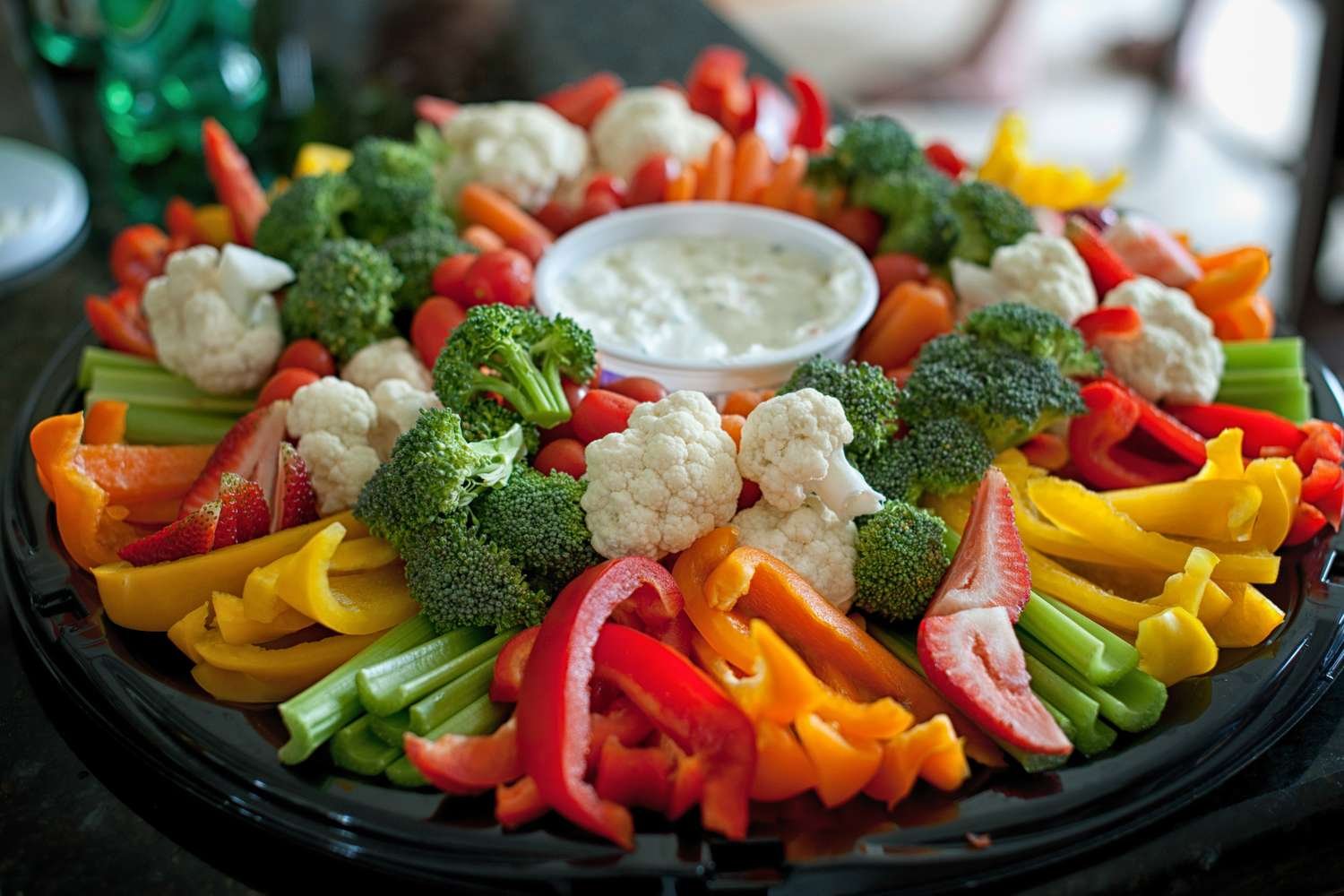
Every time I bought a pre-made vegetable tray at the supermarket, I felt embarrassed and felt like I was cutting corners as an adult. That’s like admitting that washing and chopping vegetables is a pain, and I think that was true. But over time, I learned to cut back on myself. If there’s ever a time to embrace practical shortcuts, it’s during the holidays.
Commercial vegetable trays are a head start, not a compromise. Since the washing, chopping, and portioning are already done, you can focus on the fun part: making food that looks and tastes great. A few simple upgrades can turn a basic $12 vegetable tray into something you’ll be proud of.
How to instantly brighten up a store-bought vegetable tray
The best thing to do is to remove the plastic tray, but it will quickly betray you. Recycle it and transfer your vegetables to fancier containers, like a wooden cutting board, a ceramic platter, a large recycled vintage plate, or even a baking sheet lined with parchment paper. Use what you already have, except for the plastic tray. If you are raising them on a farm, be sure to transfer them to a new pot.
When making swaps, rearrange everything in loose clusters rather than hard lines. Additionally, take a moment to slice some vegetables for more variety in shape and texture, such as halving cherry tomatoes, cutting baby carrots in half, slicing celery sticks into thinner, less stringy “twigs,” or breaking broccoli into smaller bite-sized pieces. These small changes instantly make your platter look even more curated.
Simply Recipe/Getty Images
If you can only do one thing
I know I said I could keep the ranch, but I may have overstated the truth. Farms that come with store-bought vegetable trays are nice, but they’re designed to be one-size-fits-all and won’t excite everyone. Replace it with something fresh and the whole spread will instantly feel homemade.
My favorite is Alison Roman’s labneh, stir-fried green onions and chiles. It doesn’t get any easier than this. People compliment me and ask for the recipe every time. Whipped feta takes very little effort and yet is surprisingly impressive. Or you can easily make your own delicious store-bought hummus with a drizzle of olive oil, a sprinkle of za’atar or smoked paprika, and a handful of crunchy chickpeas.
Even better, offer two or three different dips. Whatever you choose, think about styling, too. A drizzle of olive oil, a sprinkling of freshly ground pepper, a pinch of flaky salt, or a handful of fresh herbs on top all add that “made-it-yourself” signal that regular dips never give.
A little bigger idea to upgrade your vegetable tray
Once you’ve created your new base and dip, stop there. But if you want to take it to the next level, here are some ideas to consider based on your energy levels and timeline.
The easiest thing to do is add a few more vegetables. Get one or two that feel a little special, like watermelon radish. It’s beautiful if you slice it thinly so you can see the pink and green center. Use endive leaves for shape and texture and rainbow carrots for added color.
If you want to go a little further and still make it very accessible, incorporate flavorful, crunchy, salty elements like Castelvetrano olives, spiced nuts, or small plates of marinated mozzarella balls (the kind you buy at the deli). This will make the whole thing feel a little more like charcuterie. The best and most hassle-free method.
If you’re feeling extra motivated, we recommend adding something warm. Chunks of toasted pita wedges or baguette slices fried in olive oil add a nice contrast to the cold, crunchy vegetables and give guests another avenue for dipping.
This year, host smarter, not harder. Create the perfect shortcut and give it some personality and polish. Guests will notice food that looks and tastes fresh, and happy, relaxed hosts. Don’t forget to throw out the plastic tray. You don’t need to know how the magic started.
