


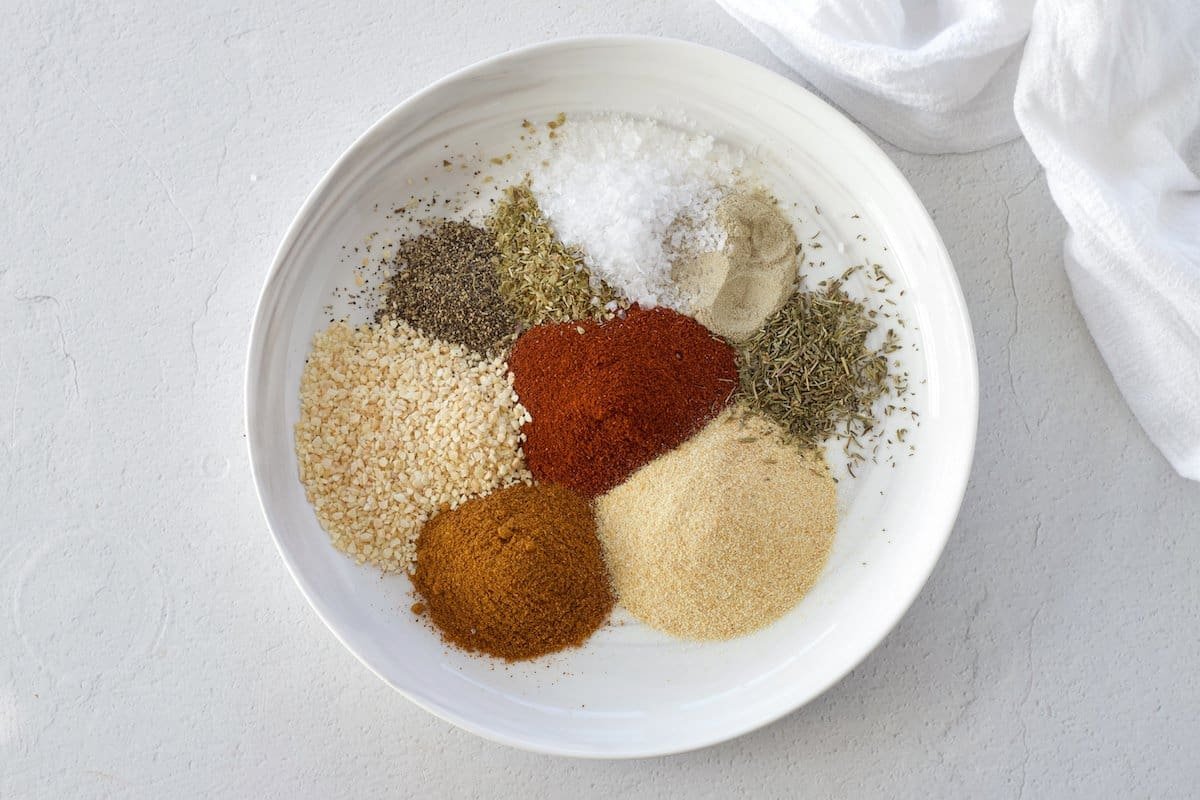
This homemade blackhead seasoning recipe is smoky, savory, spicy, and better than the store-bought version. Made with simple spices found in your pantry, this easy seasoning blend is perfect for blackened chicken, fish, shrimp, steak, vegetables, and more.
Instead of using a store-bought seasoning blend, make this easy homemade version using spices you have in your pantry like paprika, garlic powder, onion powder, cayenne pepper, thyme, oregano, salt, and black pepper.
I often use this homemade blackened seasoning (also known as blackened seasoning) on shrimp, salmon, and chicken because it creates a flavorful coating in just a few minutes. This is one of my favorite ways to add bold flavor to protein, seafood, or blackened chicken alfredo.
If you love making your own spice blends, check out our complete collection of homemade seasoning blends.
blackhead seasoning recipe
This homemade blackhead seasoning is one of the best spice blends to have in your pantry. Add bold Cajun flavor and help create a classic dark, flavorful crust for seafood, chicken, steak, and vegetables.
Contrary to the name, blackened food does not burn. The term “blackening” refers to a cooking method in which seasoned proteins are cooked over high heat, usually in a cast-iron skillet, until the spices form a deep, dark-colored crust.
This easy blackhead seasoning takes just 5 minutes to mix and will keep for up to 6 months.
What is blackhead seasoning?
Blackening seasoning is a bold spice blend commonly used in Cajun and Creole style cooking. It typically includes paprika, garlic powder, onion powder, cayenne pepper, black pepper, thyme, oregano, and salt.
It’s most commonly used on blackened fish, blackened chicken, blackened shrimp, and blackened steak, but it’s also delicious on roasted potatoes, grilled vegetables, burgers, fries, and tacos.
For a similar Louisiana-inspired flavor, try Cajun seasoning or Creole seasoning.
material
The secret to a great homemade blackhead seasoning is finding a balance of savory, herbal, and spicy flavors. This blend uses simple pantry spices that work together to create the bold flavors darkened dishes are known for.
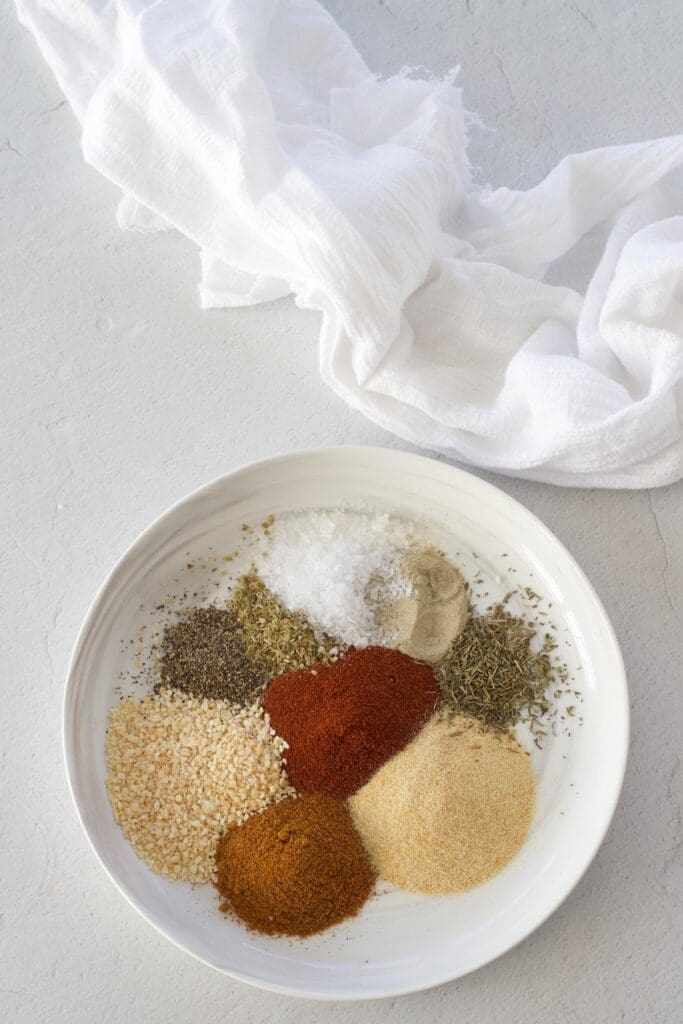
Curious about what’s in blackhead seasoning? This easy blackhead seasoning recipe uses simple spices you may have at home.
Paprika: Adds rich color and gentle sweetness. Use smoked paprika for a smoky dark seasoning. Garlic granules: Add flavor to spice blends. Onion powder: Adds depth and mellowness to seasonings. Dried thyme: Adds an earthy herbal flavor. Dried oregano: Gives the seasoning a classic Cajun flavor. Cayenne pepper: Adds spiciness. Adjust amounts to make the seasoning milder or spicier. Black Pepper: Adds a tangy pepper flavor. White Pepper: Adds a mild, fruity pepper flavor. Kosher Salt: Enhances the overall flavor of the blend.
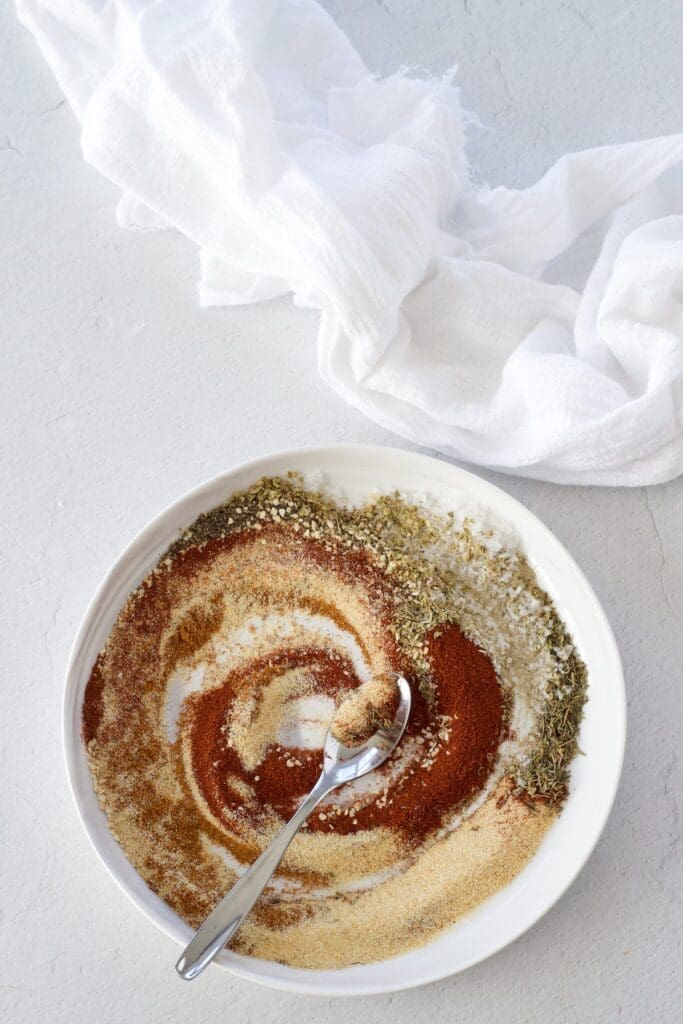
How to use blackhead seasoning
Use about 1 tablespoon of blackened seasoning per pound of meat, seafood, and vegetables. For the best dough, pat the food dry, brush it lightly with oil or melted butter, and sprinkle generously with seasonings all over.
Cook in a hot cast iron skillet, on the grill, in the oven, or in the air fryer until a dark, flavorful crust forms on the outside. For the best darkened crust, we recommend using a cast iron skillet over high heat.
For more ideas for homemade spice mixes, check out our collection of seasoning blend recipes.
binder
The binder is the moist ingredient that helps the dry rub adhere to the food. For blackened chicken, seafood, steak, and vegetables, use one of the following before adding seasoning:
Olive oil Melted butter Avocado oil Dijon mustard Mayonnaise (especially for fish and chicken)
Butter is the standard for dark seafood, but oil is best for high-temperature cooking.
Recommended ways to use dark seasonings
One of the best things about blackened seasoning is its versatility. This bold Cajun-inspired spice blend can be used on everything from seafood and poultry to vegetables, potatoes, pasta, and sandwiches.
Whether you’re cooking in a cast iron skillet, grilling outdoors, or using an air fryer, this seasoning blend will add flavor and help you create a delicious crust.
seafood recipes
Black seasoning is especially popular with seafood, as the bold spice pairs perfectly with milder fish and shrimp. Seasoning creates a flavorful skin and keeps seafood tender and juicy.
Blackened Salmon Blackened Yellowfin Tuna Blackened Shrimp Blackened Mahi Mahi Blackened Catfish Blackened Tilapia Blackened Fish Taco
The smoky flavor of blackened seasoning pairs especially well with proteins that are cooked quickly over high heat.
chicken recipes
Chicken is also a great option for blackening. Spices help create a flavorful crust on the outside while adding bold flavor throughout the meat.
Blackened chicken breast Blackened chicken thigh Blackened chicken sandwich Blackened chicken pasta Blackened chicken tacos
More ideas
Blackhead seasoning isn’t just for seafood and chicken. This versatile spice blend can also be used to add a smoky, Cajun-inspired flavor to vegetables, potatoes, dips, sauces, burgers, and more.
Sprinkle on roasted vegetables Add to burger patties Sprinkle on steaks and pork chops Season roast potatoes Sprinkle on fries Mix with sour cream or mayonnaise for a quick dip Add to creamy pasta sauces Use as a Cajun dry rub for grilling
Low-salt black dyed seasoning
To make a low-sodium blackened seasoning, simply omit the salt from your spice blend. Add more salt to taste after cooking, or start with 1/4 teaspoon at a time until you reach your desired taste.
variations
This homemade blackhead seasoning recipe is easy to customize based on your taste preferences. You can make it more smoky, spicy, mild, or even completely unsalted.
Smoky: I prefer to use smoked paprika in this recipe. This is because it adds depth to the flavor. Spicy: Double the cayenne pepper. Mild: Reduce cayenne pepper to 1/2 teaspoon. Sweet Heat: Add 1 teaspoon brown sugar. Add garlic: Double the amount of garlic granules. Salt-free: Omit kosher salt completely.
blackhead seasoning tips
These simple tips will help you get the best flavor and texture when using homemade blackened seasoning on chicken, seafood, steak, vegetables, and more.
Pat the meat or seafood dry before seasoning to ensure the skin forms properly. For the best darkened crust, use a hot cast iron skillet. Cook in a well-ventilated kitchen, as blackening can cause smoke. When cooking over high heat, use an oil with a high smoke point. Adjust the cayenne pepper according to your spiciness preference. I like to make a big batch of this dark seasoning and store it in a spice jar so I can use it for quick meals any time during the week.
Other homemade seasoning blends
If you liked this dark seasoning recipe, you might also like these homemade spice blend and dry rub recipes.
blackhead seasoning
This homemade blackhead seasoning recipe is smoky, savory, spicy, and better than the store-bought version. Made with simple spices found in your pantry, this easy seasoning blend is perfect for blackened chicken, fish, shrimp, steak, vegetables, and more.
print
pin
Share on Facebook
Quantity: 4 tablespoon
calorie: 5kcal
Fee: $2.50
cooking modePrevent the screen from going dark
material
option
1-2 teaspoon brown sugar (*Note 5)
Precautions
Note 2 – Add more or less depending on the heat level required.
Note 3 – If you only have garlic powder, use 1.5 teaspoons instead of the granules.
Note 4 – If you don’t have white pepper, add black pepper. I like the added flavor profile, but it’s not necessary.
Note 5 – Brown sugar helps with caramelization, but is not a required ingredient. It is used when making pork and chicken, but is omitted when making seafood.
nutrition
calorie: 5kcal | carbohydrates: 1g | protein: 0.1g | fat: 0.03g | Saturated fat: 0.01g | Polyunsaturated fats: 0.01g | Monounsaturated fats: 0.004g | sodium: 250mg | potassium: 12mg | fiber: 0.1g | sugar: 1g | Vitamin A: 54IU | Vitamin C: 1mg | calcium: 3mg | iron: 0.1mg
